

What Flying Really Takes From the Human Body

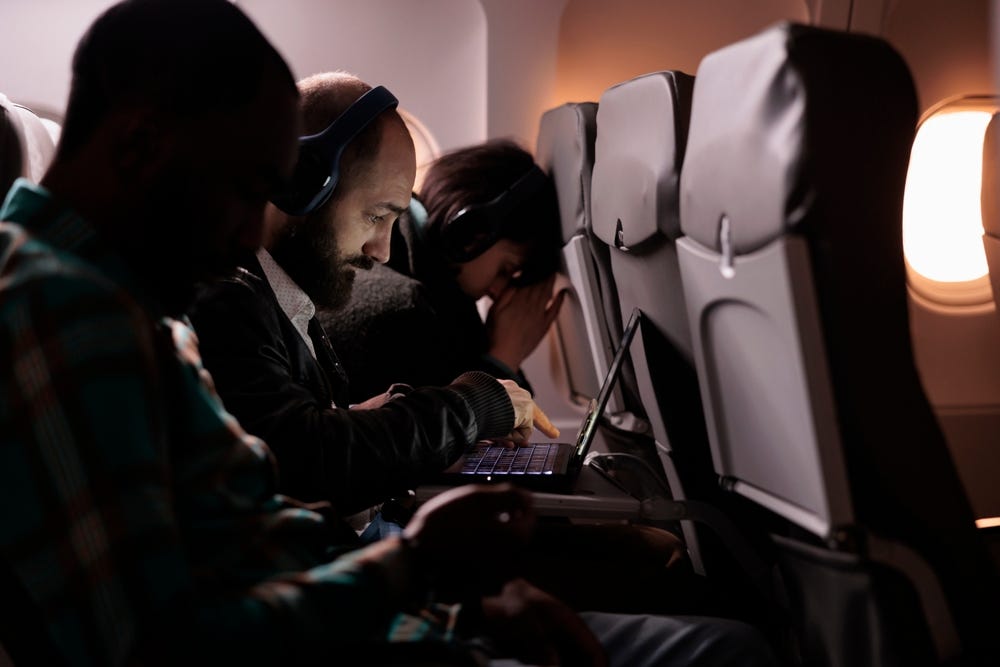
My recent trip to Senegal, South Africa and Nigeria was a beautiful and deeply instructive experience. Travel always teaches, but this journey sharpened my awareness around health in ways I didn’t expect. One of the most practical lessons came from my mentor, SMC, who shared a traveling health tip that initially sounded almost too simple to matter: hydration. He told me a doctor once explained that after flights and long travel days, the body needs a reset. The advice was straightforward: drink about six glasses of water in one sitting soon after landing. According to that doctor, it helps recalibrate sleep, restore energy and bring the body back into balance. I’ve since tried this ritual after long flights, and I can say plainly that it works. The fog lifts faster. My body feels grounded again. Sleep comes more naturally.
Recently, an Instagram video gave me insight into why that advice may be more necessary than we realize. The video showed a man mid-flight pouring water directly onto his own jeans, then onto the woman sitting beside him's jeans. The claim was simple and almost playful: on an airplane, these would dry in about 30 minutes. Flying, the post suggested, is like being inside a dryer. At first glance, it feels exaggerated. But the science beneath the metaphor is real.
Commercial airplane cabins operate at extremely low humidity levels, often between 10 and 20 percent once cruising altitude is reached. For comparison, most indoor environments on the ground sit comfortably between 30 and 50%. Many deserts are at the same altitude as aircraft cabins. Low-humidity air accelerates evaporation. It pulls moisture from whatever has it: fabric, skin, eyes, breath. That’s why lips crack mid-flight. Why eyes burn by hour four. Why skin feels tight and unfamiliar when you land. And yes, why wet jeans could plausibly dry faster on a plane than in your living room.
But the human body is not denim, and that distinction matters. Medically speaking, flying does not automatically plunge a healthy person into severe dehydration. The body is remarkably skilled at maintaining internal balance. One way clinicians assess hydration is through plasma osmolality. Plasma is the liquid portion of the blood, the clear fluid that carries electrolytes, nutrients, hormones and waste products throughout the body. Osmolality describes how concentrated the fluid is. When dehydration is significant, plasma becomes more concentrated because there is less water relative to dissolved substances like sodium. Studies show that during most flights, plasma osmolality doesn’t shift dramatically. In simple terms, the bloodstream usually stays within normal limits. The body compensates.
But this is where lived experience diverges from lab numbers. While internal blood chemistry may remain stable, the body’s surfaces do not. Low cabin humidity reliably dries out the mucous membranes of the nose and throat, the natural tear layer of the eyes and the outer layers of skin. These are not cosmetic details. They are protective barriers. When they dry out, irritation, inflammation and vulnerability follow. Dry nasal passages trap fewer particles. Dry-eyed people fatigue more easily. Skin loses moisture faster through evaporation, leaving many travelers feeling aged before they ever reach baggage claim.
What often goes unnoticed is how subtly the body adapts to flight itself. Cabin pressure mimics being thousands of feet above sea level, lowering available oxygen just enough that many passengers shift into shallow breathing without realizing it. Long hours of stillness slow circulation, encouraging fluid to pool in the legs while the upper body dries out. The absence of natural light confuses the body’s internal clock, fragmenting sleep long after arrival. None of this is dramatic on its own. Together, they create a low-grade physiological stress that lingers.
In that context, the six-glasses-of-water ritual begins to make sense. Drinking a substantial amount of water soon after landing helps restore fluid lost through evaporation and respiration during flight. It increases plasma volume, supporting circulation and oxygen delivery to tissues. Hydration assists the kidneys in clearing metabolic waste accumulated during long periods of immobility. It also supports digestion and thermoregulation as the body reanchors itself to the ground.
But not all water behaves the same once it enters the body. Plain water can sometimes pass straight through, especially after prolonged dryness. For hydration to be effective at the cellular level, minerals matter. Sodium, potassium and magnesium help water move into cells rather than simply flushing out. This is why adding a small pinch of Himalayan salt to water has become my preference after travel. Coconut water works similarly, offering naturally occurring electrolytes that support deeper hydration without heaviness. The body recognizes it.
Rehydration also works best when paired with movement and breath. Standing, walking or gently stretching after landing helps redistribute fluids that have settled during long hours of sitting. Slow, deep breathing restores oxygen balance and signals safety to the nervous system. Water completes the circuit, turning arrival into recovery rather than collapse. Sleep, in particular, has benefits. When the body is not quietly negotiating fluid imbalance, it settles more easily.
Airlines keep cabins dry for practical reasons. Moist air at altitude can condense inside the aircraft structure, leading to corrosion, freezing and long-term safety concerns. Dry cabins are engineered, not accidental. Which means the responsibility for restoration falls on the traveler.
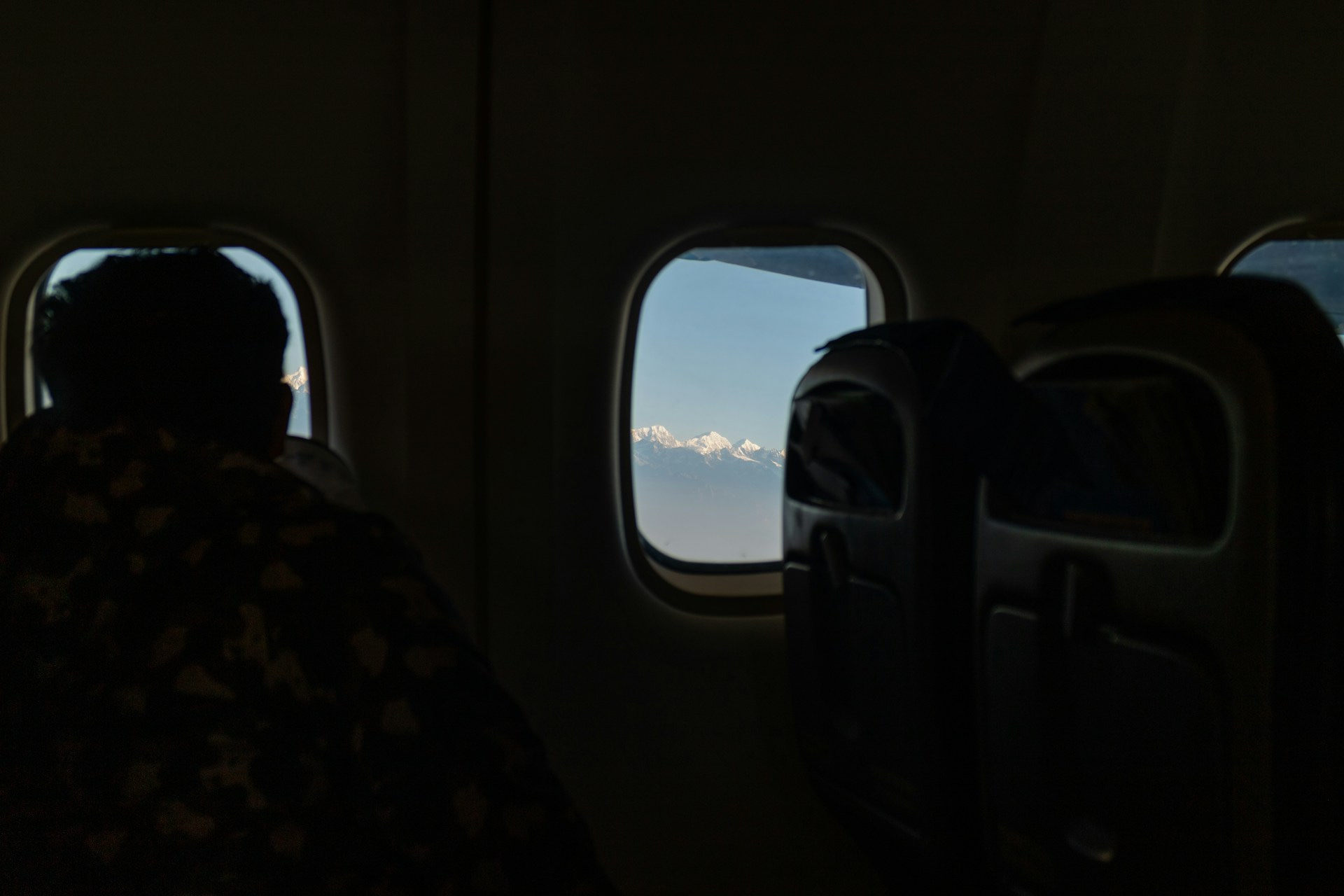
That Instagram video works because it communicates a truth without medical language. At altitude, moisture leaves you more readily than you notice. Not dramatically. Not violently. Quietly. And perhaps that is the lesson travel keeps offering: when the environment takes more than it gives, intention becomes medicine. Six glasses of water are not magic. It is remembrance. A signal to the body that the journey is over, the ground is beneath you again and restoration can begin.
The sky is beautiful, but it is not designed for human flesh. We pass through it briefly, sometimes for long hours at a time, and the hope is that a few intentional practices can help us return to the ground in balance, better resourced for the life waiting below.
By Kaba Abdul-Fattaah