

Tradition Over Troops: Accompong Maroon Leader’s Call Divides Residents

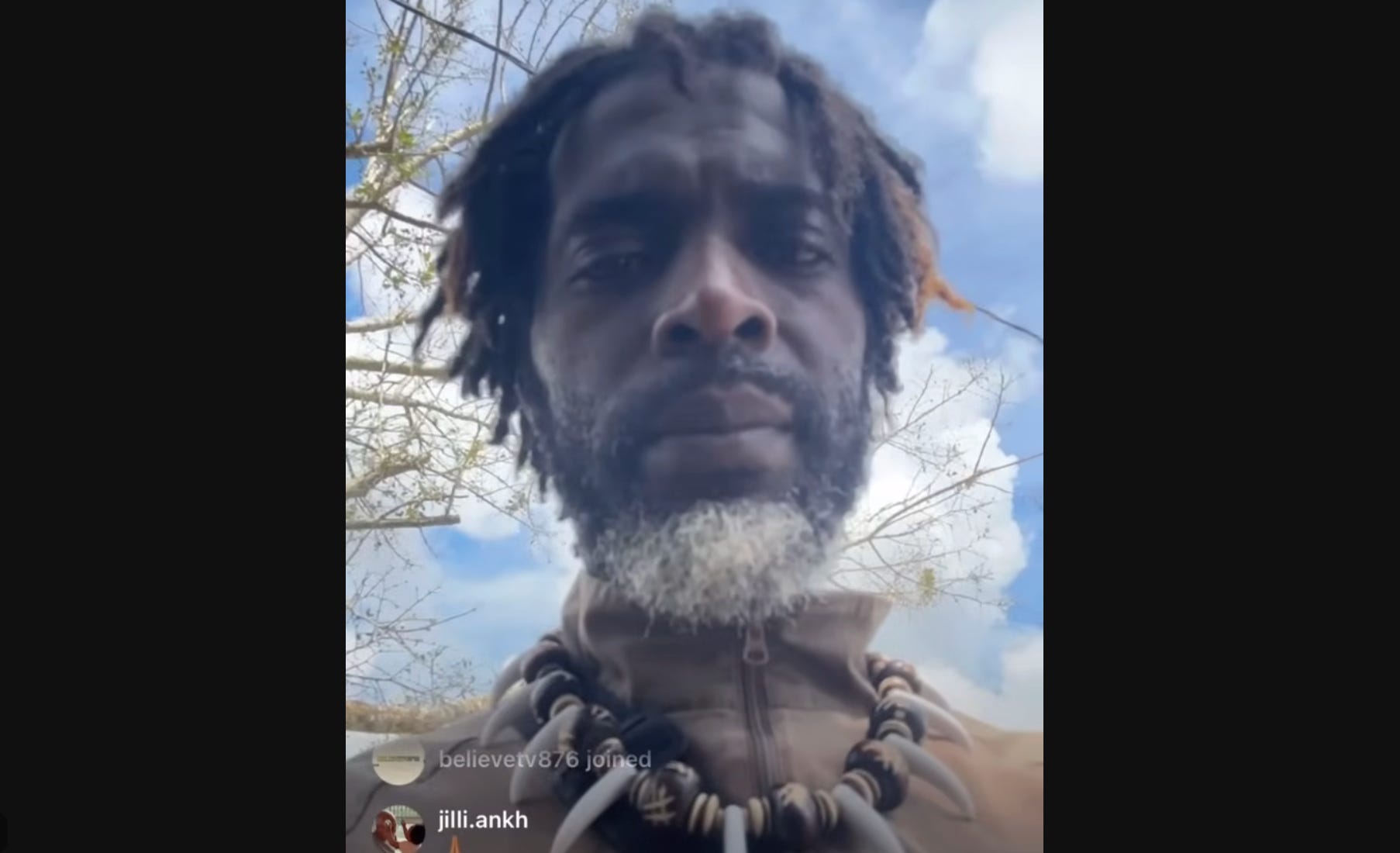
The Accompong Maroons have turned down a government proposal to deploy Jamaica Defence Force personnel to their territory as part of post-hurricane reconstruction, opting instead for a fully civilian-led recovery effort.
Chief Richard Currie disclosed the decision last week in a statement posted on social media. He said the Maroon Council, after days of internal assessment, concluded that military involvement—though well-intentioned—was not the best fit for the community as it recovers from the destruction caused by Hurricane Melissa.
“We appreciate the government’s readiness to mobilize assistance, including that of the JDF,” Currie said, noting that Prime Minister Andrew Holness had also referenced interest from international partners such as Ethiopia, Ghana and Rwanda. “However, after formal deliberation, the council has decided against militarising the recovery space.”
Currie said the community would instead depend on civilian labor, support from other Maroon settlements, and international partners with whom they already maintain longstanding reconstruction relationships. According to him, Accompong has secured technical expertise, donations and volunteer engineering help sufficient to address urgent rebuilding needs.
While declining JDF personnel, the Maroons accepted the government’s offer of construction materials and equipment, describing them as crucial for the next phase of recovery.
Currie also linked the council’s decision to the emotional well-being of residents, many of whom he said are still grappling with significant trauma following the storm. The recent presence of armed soldiers during humanitarian assessments, he added, heightened anxiety among elders and women in particular.
“The arrival of military personnel carrying rifles, even for relief purposes, could deepen distress among vulnerable residents,” Currie said. Community-based teams, he argued, provide a more culturally compatible and psychologically safe environment for reconstruction.

The chief also pointed to treaty obligations dating back to 1738 that establish governance protocols for the Maroon territory. Recovery operations, he said, must align with those legal and cultural frameworks.
Currie stressed that the decision should not be interpreted as resistance to cooperation with the state.
“The council remains committed to peaceful engagement and to supporting long-term stability across the Cockpit Country,” he said.
Jamaica’s Cockpit Country, which spans parts of Trelawny, St. Elizabeth, St. James, St. Ann, Manchester and northern Clarendon, is one of the island’s most remote regions. The rugged terrain of steep limestone valleys and conical hills served as a refuge for Maroons who escaped slavery in the 16th and 17th centuries and later played central roles in the island’s Maroon Wars. As colonial forces advanced, communities of runaways established hidden settlements and resisted capture well into the 19th century. Today, Cockpit Country is Jamaica’s largest remaining rainforest and a key conservation area at the center of long-running debates over mining, environmental protection and cultural heritage.
In August, Chief Currie announced that Cockpit Country, home to the Leeward and Accompong Maroons and spanning more than 300,000 acres of untouched rainforest that supplies over 40% of the island’s fresh spring water, would finally have access to clean water.
In a statement shared to Instagram, he stated that the community has partnered with Mia Sarka, the Moses West Foundation, and CRecycle LLC, which will allow every household in the community to receive clean drinking water through a new Atmospheric Water Generator system.
“We will be providing each household with a 5 gallon bottle which can be refilled as needed. The Atmospheric Water Generator will be connected to a kiosk/dispenser for easy access. Units will be delivered to households in adjoining districts and jobs will be created to deliver clean drinking water to every household,” he wrote.
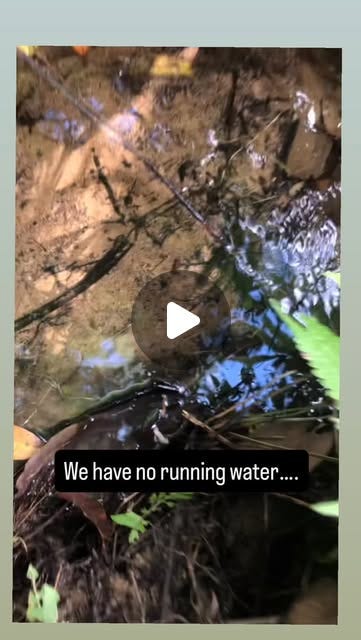
Approximately 80% of the Maroon settlements were destroyed when Hurricane Melissa tore through the island last month.
While the community usually maintains a united front, several members have spoken out against Currie’s statement, saying they disagree with the decision to reject the help. Some residents are calling for the chief to step down from his responsibilities, seeking new leadership.