

This Day in History: November 28th

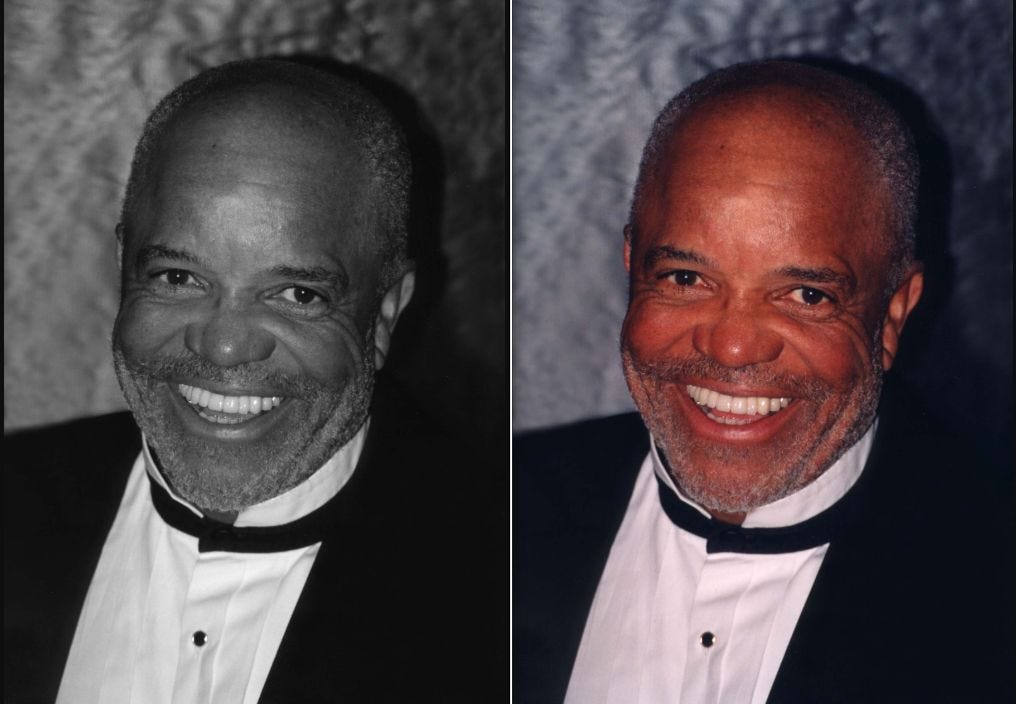
On November 28, 1929, Berry Gordy III was born in Detroit, setting the stage for one of the most influential careers in American music and entertainment as well as a global icon.
Gordy was the seventh of eight children in a family that had moved to Detroit during the Great Migration. His parents, Berry Gordy II and Bertha Fuller Gordy, left Georgia in search of opportunity and safety at a time when violence against Black Americans in the South was widespread. Detroit offered better jobs and the rising promise of the automotive industry. Gordy’s father opened several small businesses, but young Berry was drawn more to music and dancing than to the trades that occupied much of his family.
His first big dream was actually boxing. He dropped out of high school in the 11th grade to become a professional fighter, hoping to build a quick fortune. That pursuit ended when he was drafted into the Army in 1951 and sent to Korea, where he served as a chaplain’s assistant until 1953.
Back in Detroit, Gordy married his first wife and made his first attempt to enter the music business with a jazz record store called the 3 D Record Mart. The shop failed, but the setback pushed him toward songwriting and production. His big break came through the Flame Show Bar Talent Club, where he met rising star Jackie Wilson. Gordy co-wrote Reet Petite for Wilson in 1957, followed by a series of R&B hits, including Lonely Teardrops. The success gave him confidence and, more importantly, enough money to take the next leap.
In 1959, with an $800 loan from his family and encouragement from Smokey Robinson, Gordy founded Tamla Records. The label’s first releases earned modest attention, but when the Miracles scored with Shop Around in 1960, Gordy knew he had the beginnings of something bigger. He soon merged Tamla with another imprint to form the Motown Record Corporation. What followed was one of the most remarkable streaks in American music history.
Gordy developed an approach that blended raw talent and relentless artist development that appealed to audiences across racial lines. Motown became home to the Supremes, Marvin Gaye, Stevie Wonder, the Temptations, the Four Tops, Martha and the Vandellas, Gladys Knight and the Pips, the Jackson 5 and many more.
Gordy was deeply involved in nearly every part of the process. He wrote or co-wrote major hits such as “Money (That is What I Want)”, “Shop Around,” “Do You Love Me” and many of the Jackson 5’s early singles through the collective known as The Corporation. He shaped choreography, wardrobe, media training and even interview etiquette, believing that consistency and polish would help Black performers reach the broadest possible audience.
His formula succeeded far beyond expectations. By the mid-1960s, Motown was the highest-earning Black-owned business in the United States and a defining voice of the era.
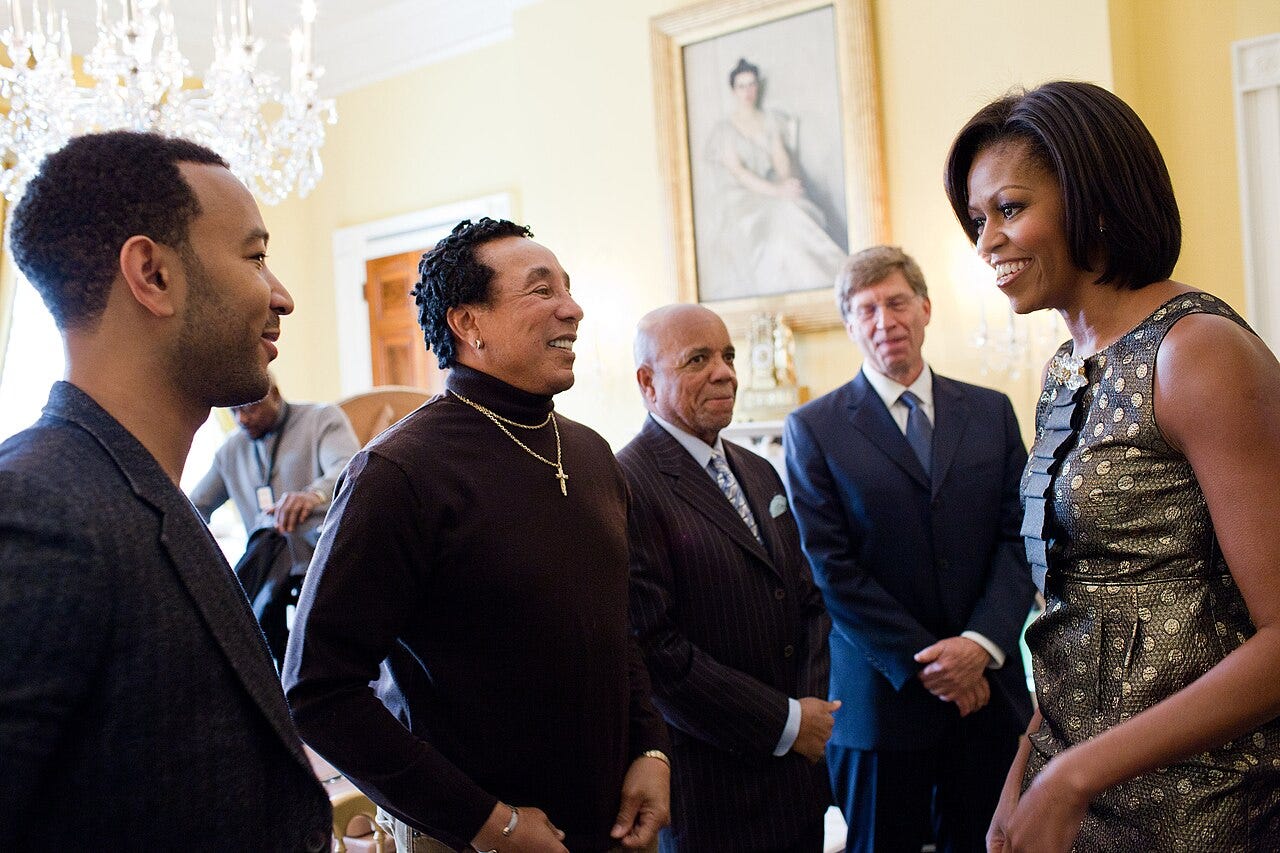
In the 1970s, Gordy moved to Los Angeles and expanded into film with projects like Lady Sings the Blues and Mahogany. Although Motown continued to generate hits, the company was no longer the dominant force it once was. Gordy sold the label in 1988, ending an extraordinary chapter in music history.
Across the decades, Gordy has received the Rock and Roll Hall of Fame honor, the National Medal of Arts, Kennedy Center Honors, and recognition from various esteemed institutions.