

This Day in History: June 19th

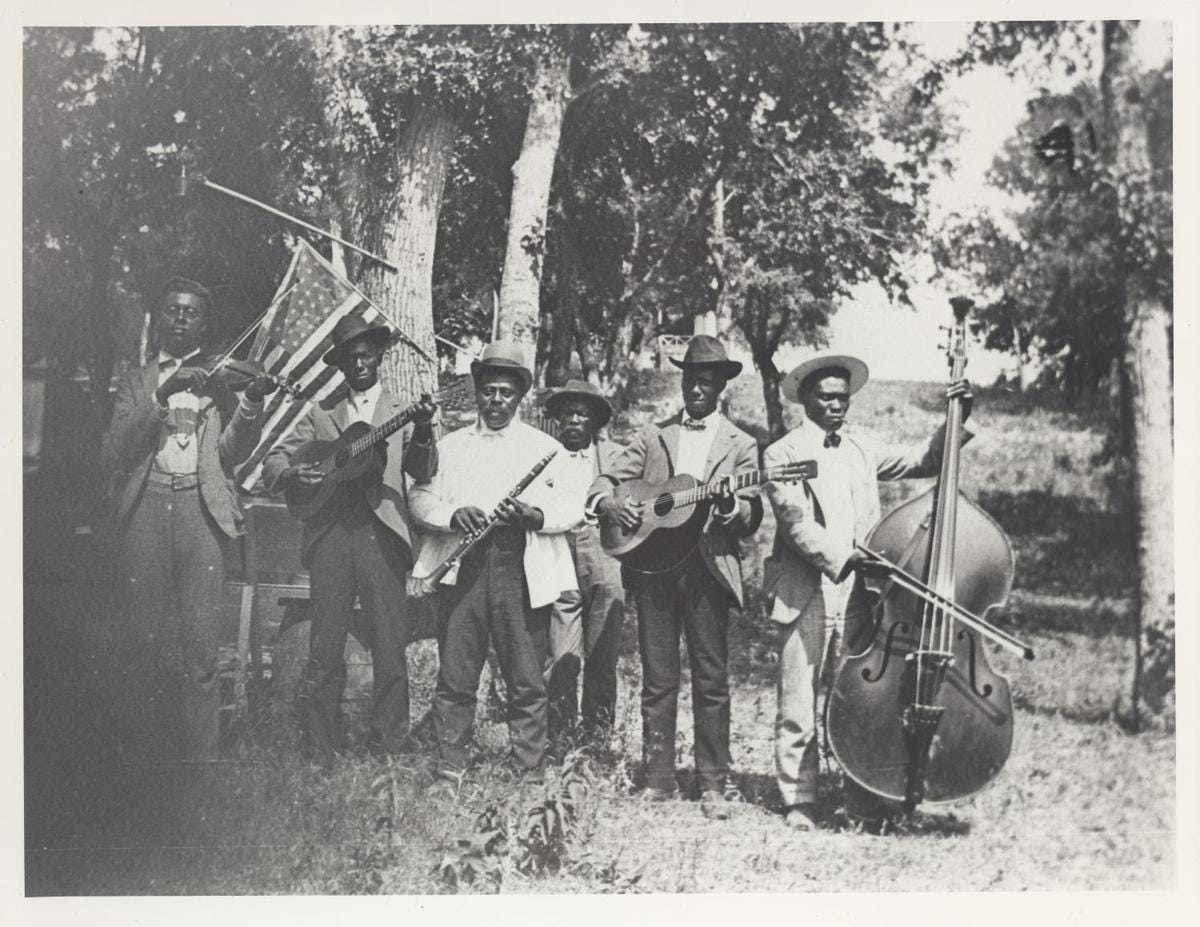
The Emancipation Proclamation, formally announced on January 1, 1863, was a significant milestone. But it did not end slavery in America. The end of legal slavery came with the ratification of the 13th Amendment to the U.S. Constitution on December 6, 1865. June 19, 1865, was the official date that all enslaved people in America were officially set free. The day is celebrated throughout the nation as the true Independence Day of African Americans.
These are five things you should know about Juneteenth.
1. A General and 1800 Soldiers Delivered The Message
On June 19, 1865, after the Civil War ended, Union General Gordon Granger sailed into Texas with 1,800 Union soldiers and announced: “The people of Texas are informed that, in accordance with a proclamation from the Executive of the United States, all slaves are free.”
The news was greeted with shock, disbelief and triumphant joy by the 250,000 formerly enslaved people of Texas. Many celebrated their freedom with song and dance, while others celebrated by leaving the farms and plantations where they had been in bondage, some for generations.
2. Red (Soda) Represented Resilence
Juneteenth, which is a portmanteau-like motel (motor and hotel) and smog (smoke and fog), was a day of gospel singing, dancing, rodeos, barbecues and a celebration with “red soda” or red pop—strawberry-flavored soda that became one symbol of the holiday along with other red foods. The color red signifies the resilience of the people in bondage. During the Great Migration, the Juneteenth celebration traveled north as African Americans moved into such cities as Oakland, Detroit and Newark, bringing the Juneteenth spirit with them.
3. The Church Was a Safe Haven For Celebration
In 1866, Juneteenth became an unofficial day of celebration of freedom and emancipation—another Independence Day marking the end of slavery. The tradition continued in Texas, where it found a home among the African American churches, which became safe places where African Americans celebrated without fear of reprisal.
4. The Holiday Traveled With The People
The Great Migration, which saw African Americans leave the South for opportunities in The West and the North, also impacted Juneteenth, which was brought to places like Los Angeles, Oakland and Seattle.
5. MT, HI, NH, ND and SD Don’t Recognize Juneteenth
In the tumult of the Civil Rights Era, Juneteenth lost much of its prominence, seen as a relic of a bygone time. But it has been recently it has been revived. In 1980, Democratic State Legislature Al Edwards introduced legislation to make Juneteenth an official Texas holiday. Government offices do not close, but agencies may operate with reduced staff. By May 2016, 45 of 50 states and Washington, DC, recognized Juneteenth as either a state holiday or ceremonial holiday, a day of observance. Only Hawaii, Montana, New Hampshire, and North and South Dakota don’t recognize Juneteenth.