

This Day in History: December 24th

The Edgefield Exodus began on December 24, 1881, when more than 5,000 Black residents left Edgefield County, South Carolina, relocating primarily to Arkansas.
The migration was a response to rising racial violence, political repression and economic exploitation that intensified across the South after Reconstruction. For many families, leaving was a matter of safety and survival.
Black residents in Edgefield County faced systematic voter suppression, intimidation by white supremacist groups and exploitative labor systems that limited economic mobility. Sharecropping and tenant farming arrangements often locked workers into long-term debt, while violence was used to enforce racial hierarchy. These conditions helped fuel one of the largest organized departures from the state during the period.
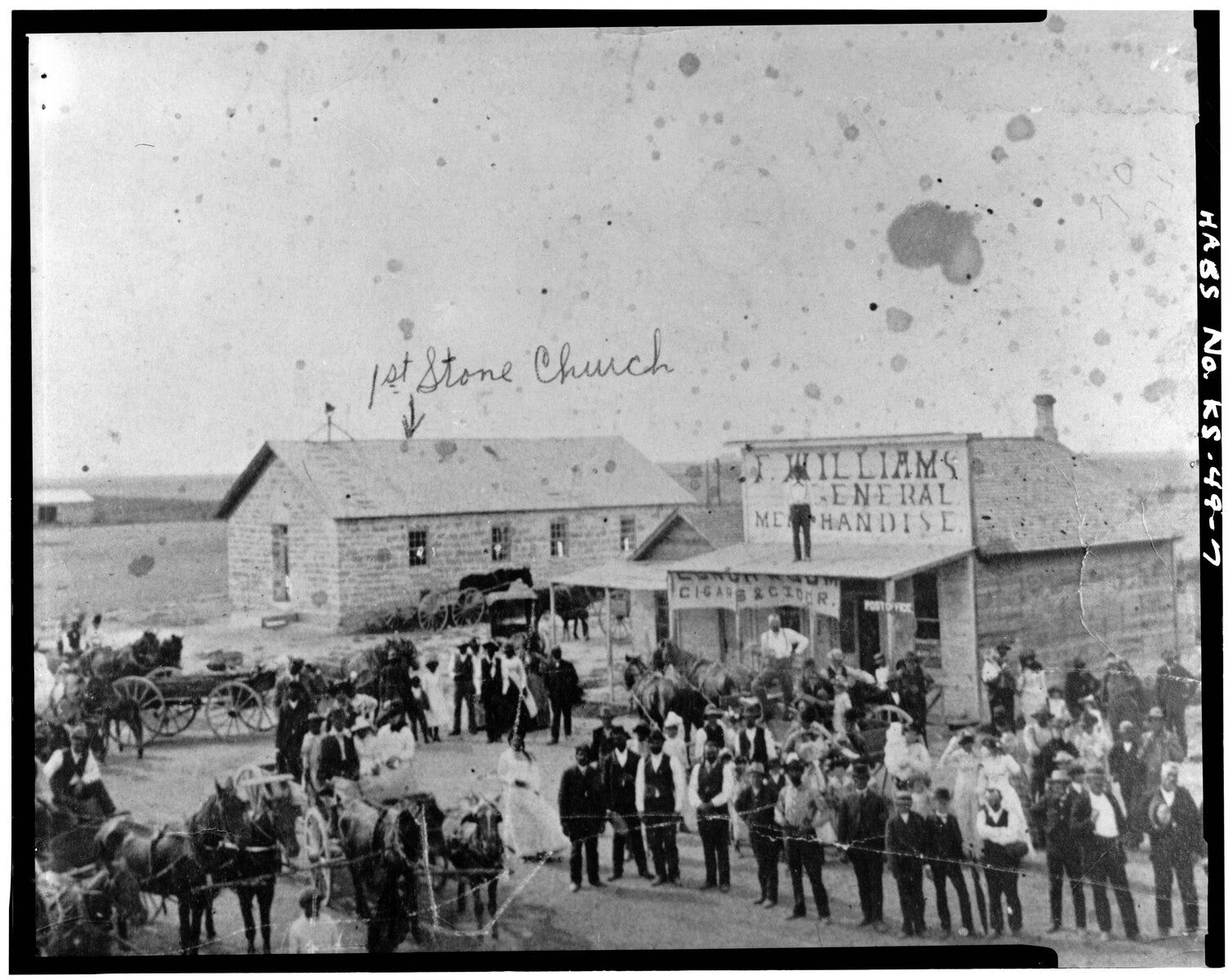
Throughout the 1870s, Black Southerners increasingly turned to migration as a strategy for securing land ownership and political autonomy. On April 15, 1878, the Edgefield Real Estate and Homestead Association moved from Tennessee to Kansas as part of this broader trend. The organization was led by Benjamin Pap Singleton, a formerly enslaved man who escaped in 1846 and later became a prominent advocate for Black resettlement outside the South.
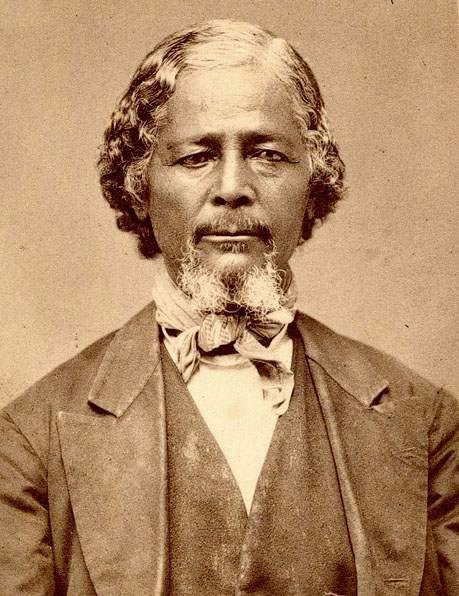
Singleton and similar organizers promoted Kansas as a destination where Black families could prosper. Their efforts contributed to the Exoduster movement, which saw tens of thousands of African Americans leave Southern states between 1879 and 1880. While these campaigns encouraged migration, they often misrepresented Western land as vacant and freely available. In reality, the land had long been inhabited and stewarded by Indigenous nations who were forcibly removed through federal policies.
Some white leaders in South Carolina also supported the Edgefield Exodus, viewing it as a way to reduce the state’s Black population, which had been a majority in the 1870s and 1880s.