

The Ultimate Wind-down: Learn the Luxe Sleep Routine This Doctor Swears By

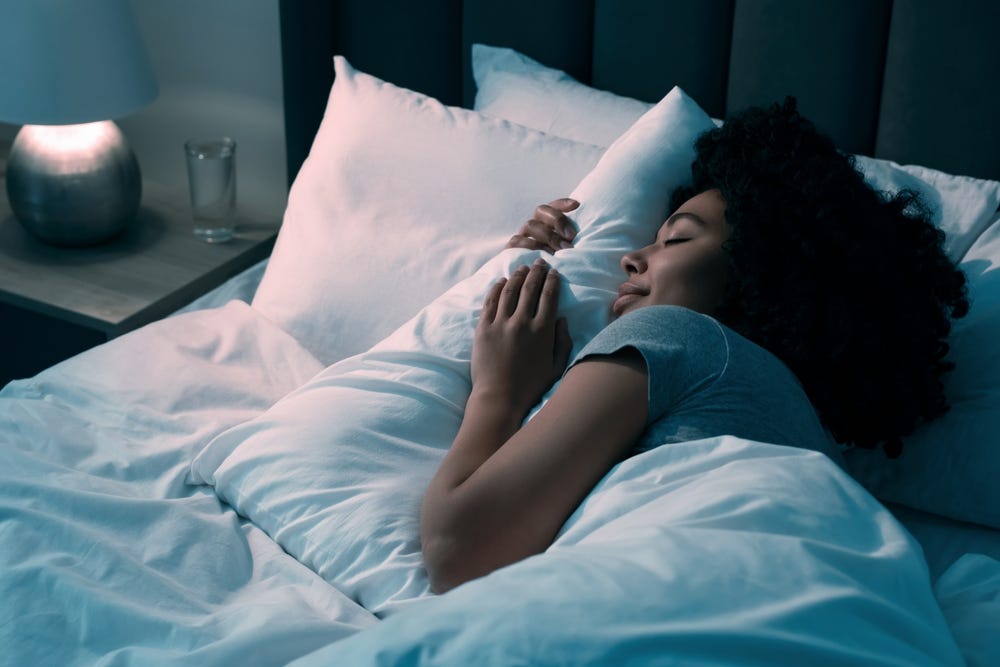
When Angela Holliday-Bell, MD, was in medical school, she faced a major challenge: insomnia.
“Every part of my life was suffering,” she told Allure, describing how stress and irritability seeped into her work and strained her relationships.
Determined to regain control over her sleep, she immersed herself in research, reading every book she could find on the subject and even working at her hospital’s sleep clinic. However, her journey to reclaim restful nights didn’t remain just a personal endeavor, as she sought to understand the complex relationship between sleep and overall well-being for herself, it became a professional mission for her community.
This deep dive into the science of sleep laid the foundation for a future career that would include a focus on clinical sleep health. Now, as a board-certified specialist, Dr. Holliday-Bell has transformed her own struggles into a passionate mission to help others prioritize their health through the power of a good night’s sleep. She teaches that quality rest is critical for good health and a big part of her advocacy is encouraging people to embrace the importance of crafting enjoyable, personalized bedtime practices.
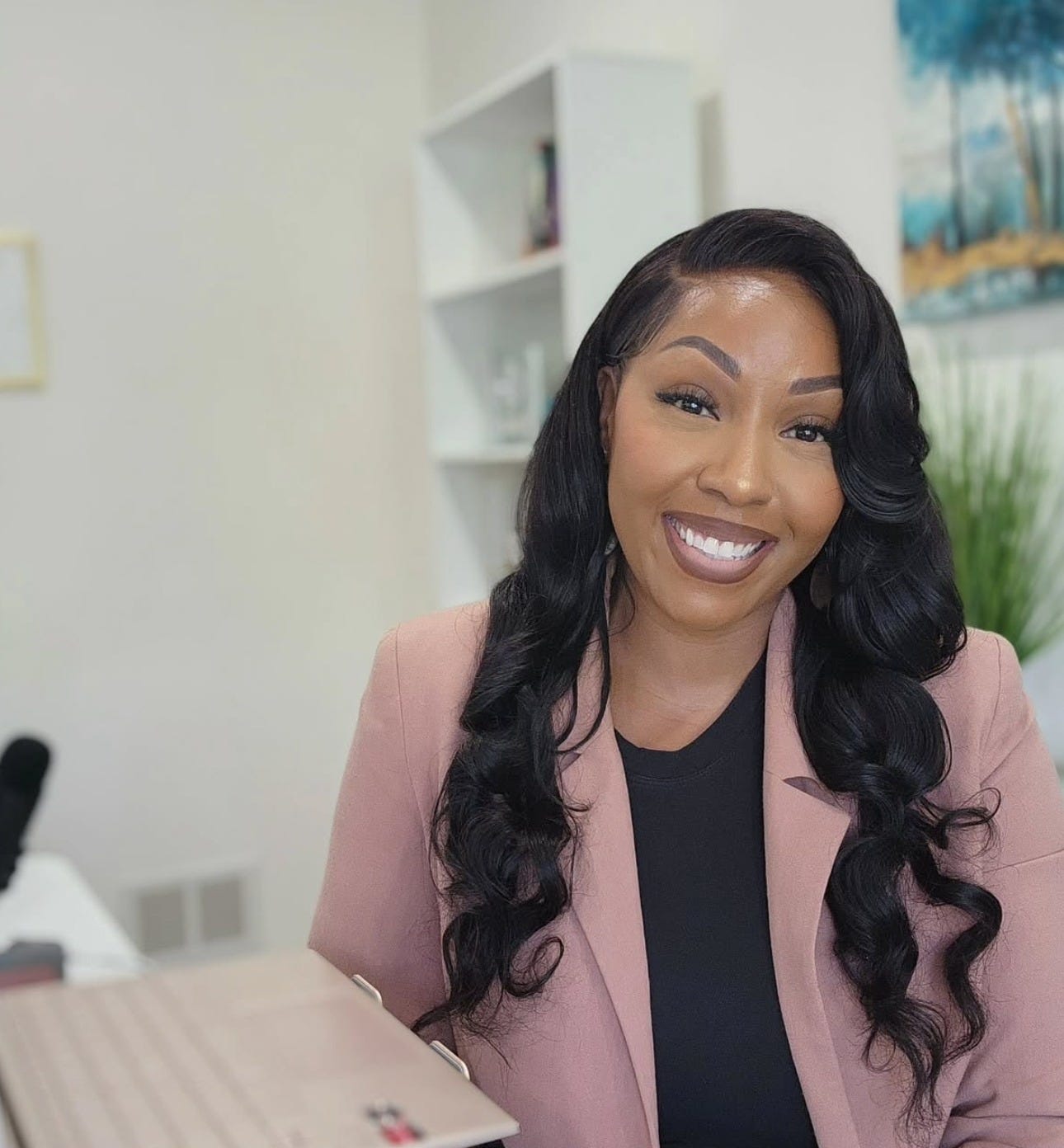
“I really like to make my bedtime routine an indulgent process. It’s something that I look forward to,” she says.
By incorporating simple yet effective changes into their nightly rituals, she believes many people can begin to experience the benefits of better sleep almost immediately.
Dr. Holliday-Bell shared five easy yet effective tips on how everyone can find joy in the process of winding down, in a recent interview with the beauty, fashion and wellness publication. After all, a good night’s sleep is not just a luxury; it’s a vital component of a happier, healthier and more balanced life.
Alter the lighting in your space.
Establishing a solid sleep routine before going to bed can make a world of difference in how well you rest at night, and starting about an hour before bedtime is key. If you’re aiming to hit the sack by 10 PM, consider winding down around 9pm. This is when you should begin dimming the lights and reducing screen time, which sends a signal to your brain that it’s time to prepare for sleep. It also encourages melatonin production - it helps you sleep by being your body’s signal that it’s dark outside. This signal tells your brain it’s time to relax and helps regulate your internal sleep-wake schedule, known as your circadian rhythm.
“In decreasing the amount of light exposure, I’m getting the signal to my brain that it’s time to prepare for bed and to stimulate melatonin,” she says.
Curate the atmosphere.
If you’ve got an energizing playlist that pumps you up for the day ahead, why not balance it out with a soothing one for those hours when it’s time to relax? Dr. Holliday-Bell swears by her evening routine, where she plays soft music that helps her ease into relaxation after a long day. Pairing those gentle tunes with the flickering light of a few candles - especially lavender-scented ones - creates a tranquil atmosphere that’s perfect for preparing for sleep.
Calm your thoughts.
About 15 minutes before her strict 10 p.m. bedtime, with her phone tucked away on a charger, De.Holliday-Bell opens a book to unwind after a long day. This little ritual helps her escape any lingering worries while building a cozy, distraction-free space to transition into sleep mode.
On days when things have been especially tough, she turns to a sleep meditation app for a little extra support. With guided breathing exercises, the app helps her relax and shift her focus away from the day’s stressors, allowing her to ease into a calmer state of mind.
Select the best accessories.
Dr. Holliday-Bell highly recommends a few essential items for better sleep: a fan, a red light and a blackout sleep mask.
Before getting into bed, she turns on a fan to create white noise. She even has a small version that she takes with her on trips. She also uses a red light, which some studies suggest may also help the body produce melatonin. (The red light she uses has a timer that turns it off after 28 minutes, which is about when she falls asleep.)
Once she’s ready to stop reading and drift off, she puts on her blackout sleep mask which tells her brain it’s time for rest. This cozy setup creates what she calls “positive sleep associations”. These associations are key; they help her emotionally connect the act of putting on the mask with the promise of a good night’s sleep. By doing so, she finds it easier to drift off and stay asleep, free from the distractions of light that might otherwise wake her.
Repeat the process again tomorrow.
Dr. Holliday-Bell acknowledges the familiar adage that it takes 21 days to form a habit, but she says that making healthier sleep choices can lead to noticeable improvements in a surprisingly short time. “Doing the proper things even in one night can make a big difference,” she urges.
However, knowing what to do doesn’t always make it easy to stick to those choices. The goal is to stay committed and be persistent until those positive actions eventually become second nature. Dr. Holliday-Bell herself faced challenges when she tried to quit using her phone an hour before bedtime. Despite her best intentions - telling herself, “I won’t use my phone” - she often found herself succumbing to temptation, scrolling through Instagram instead.
Still, with the help of tools like Do Not Disturb features and a commitment to practice, she overcame this hurdle and even her insomnia.