

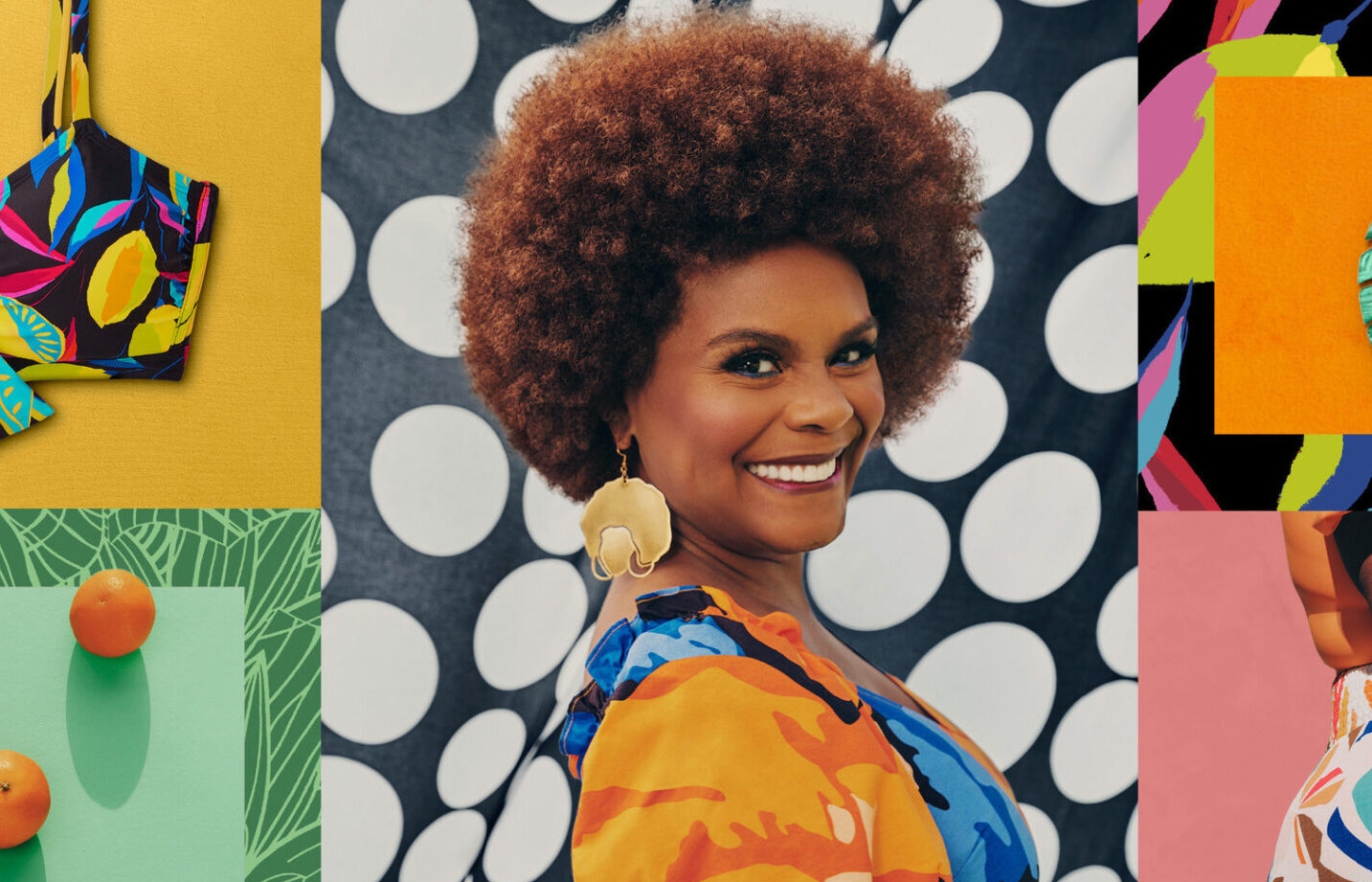
Tabitha Brown has found herself at the center of a cultural storm after offering a perspective on the Target boycott that quickly diverged from many supporters’ views.
The content creator, actress and entrepreneur said she has increased her security in recent days as criticism mounted and her comments were pulled into a larger fight over the retailer’s retreat from diversity, equity and inclusion initiatives.
“I was trying to educate people on this is what’s going to happen for these small businesses. ‘Cause some people are like, “I ain’t boycotting.” I’m like, ‘Listen, I understand. But if you do, great. If you decide not to and you still go in Target, please only buy Black. Only support those businesses because the numbers don’t lie.’”
The boycott followed Target’s decision as a step back from commitments made during the height of the 2020 racial justice movement.
Brown, who has a licensing partnership with the company for her haircare line, addressed the protests in a video that urged people to consider the fate of Black and Brown entrepreneurs whose products remain on store shelves. Her remarks were meant to open up the conversation, she said, but instead drew swift backlash from some who accused her of protecting a corporate partner rather than standing in solidarity.
Brown spoke at length about her intentions on the iHeart podcast “Not My Best Moment,” hosted by KevOnStage, where she said her comments were sparked by concern for first-time vendors who rely on retail exposure to grow.
Brown said she wanted to remind people how long it can take a small company to land in a major national chain. She argued that a dramatic drop in sales during a protest could provide an unintended rationale for removing Black owned products during annual performance reviews. Her aim, she said, was not to undermine the boycott but to ask shoppers who continued to visit Target to direct their dollars toward businesses to keep their numbers strong.
She also pushed back against the rumor that Target had already removed Black owned brands.
“There was like a lot of lies going around saying like, ‘They just took all the Black businesses out of Target’. I was like ‘No, they didn’t do that yet,’” explained Brown. “They didn’t do that because they can’t legally, but they can when the fiscal year rolls around, and they start looking at the numbers, say, ‘Oh, this was your forecast, and this is where you came in. You didn’t meet the numbers.’ Now, they have reason to remove them. That’s what I tried to convey.”
Some organizers of the boycott, including Pastor Jamal Bryant, publicly challenged Brown and suggested she could withdraw her own products from the company if she felt strongly.
“Dr. Bryant’s FAST calls for immediate action: he is urging Black consumers to halt all purchases from Target and to divest any stock holdings in the company,” Bryant stated in a press release issued back in February. “This aligns with the philosophy of Dr. Martin Luther King Jr., who championed economic restraint as a powerful form of protest during the Civil Rights Movement. Just as Dr. King and other civil rights leaders leveraged economic boycotts to challenge injustice, this FAST is a call for Black consumers to use their collective spending power to demand accountability from corporations.”
Brown said the reality of her contract made that impossible without exposing herself to legal and financial risk. The episode, she added, taught her to negotiate differently, and she now includes a clause in her agreements that allows her to step away from a brand if its values no longer align with her own.
The controversy has been unsettling, she admitted, particularly as strangers confronted her in public. Even so, Brown said she remains confident that her intentions were rooted in advocacy, not in personal gain, and that she wanted to speak for small business owners who often have the most to lose and the least space to speak for themselves.
Brown maintains that her intentions from the very beginning were pure, but will they be enough to restore her reputation in the eyes of her staunchest critics within the Black community?