

Presence, After the Holidays


December 26 has always carried two truths for me at the same time. It is my son’s birthday. He has never been big on birthdays himself. It is also the birthday of a close friend and spiritual brother of mine who died in a tragic car accident 13 years ago. The day holds contrast. I am mindful of a life that ended suddenly without warning, while experiencing, year after year, the steady maturing and blessing of my son’s life. It is a bittersweet alignment, one that quietly mirrors what many people move through during this time of year.
Even though I do not personally engage in celebrating Christmas or New Year’s due to my own beliefs, the emotional effects of the holiday season are still ever present. You do not have to participate in a holiday to feel its weight. This time of year has a way of touching everyone, whether through memory, absence, pressure or reflection.
Throughout the year, regardless of which religious or cultural days one observes, there is often a noticeable increase in kindness during seasons of celebration. People tend to greet one another more warmly, hold doors longer and offer well wishes more freely. It is a subtle but powerful reminder of the golden rule: to do unto others as you would want others to do unto you. In a city like New York, where people often move quickly and keep emotional distance, that shift can feel especially noticeable and, for some, deeply affirming.
At the same time, a quieter reality unfolds alongside that warmth.
The holiday season carries challenges that are deeply impactful yet often unspoken. For all the messaging around togetherness, gift giving and joy, there is a darker side that deserves attention. Not to diminish celebration, but to make space for those who suffer silently beneath it.
As the season unfolds, moments of stillness reveal what the noise often covers. Walking the streets of Harlem during the holidays, there are pockets of quiet that stand out. Work schedules change. Routines soften. The city breathes differently. You often see dogs being walked by their companions, steady and faithful to routine. Dogs do not pause their needs because of a season. They still require movement, care and presence. In that simplicity, something becomes clear. When schedules slow and expectations loosen, many people are left alone with what the season has stirred up emotionally.
This is where holiday-related depression and emotional distress often live, not just after the holidays, but throughout them.
Globally, hundreds of millions of people live with depression, and in the United States alone, millions experience mood disorders each year. Psychological associations have long noted that a majority of adults experience increased stress during the holiday season. This stress is often tied to finances, strained family dynamics, grief, loneliness or unmet expectations. Stress itself is not depression, but prolonged stress can overwhelm the nervous system and intensify emotional vulnerability.
Loneliness plays a significant role. Public health research has identified loneliness and lack of social support as serious risk factors for both mental and physical health challenges. The holidays do not create loneliness, but they amplify it. When cultural narratives insist this should be a time of happiness and connection, those who feel disconnected often carry an added layer of shame.
There is also a biological layer that often goes unnoticed. Shorter days and reduced sunlight affect circadian rhythms, sleep patterns and mood regulation. Seasonal mood changes are real. For many people, winter brings lower energy, disrupted sleep, and diminished motivation. These shifts do not reflect weakness or personal failure. They are part of how the body responds to environmental change.
So what actually helps during this season?
Light matters. Regular exposure to daylight, especially earlier in the day, has been shown to support mood and stabilize sleep rhythms. Even brief time outside can have meaningful emotional benefits.
Movement matters as well. Research consistently shows that physical activity helps reduce symptoms of depression and anxiety. Walking, stretching, strength training or gentle movement improves circulation, supports brain chemistry, and interrupts the mental loops that emotional distress feeds on.
Connection matters, but not in a forced or performative way. Loneliness is not resolved by crowded rooms or obligatory gatherings. It is eased through one genuine interaction. A phone call. A shared walk. A conversation where you do not have to explain yourself or pretend to be OK. Even small doses of meaningful connection have been shown to protect emotional well-being.
Boundaries are another form of care. Overextending socially, financially or emotionally often deepens stress during an already sensitive season. Choosing rest, simplifying plans and honoring limits are not acts of withdrawal. They are acts of preservation.
And then there is presence.
Researchers describe being present not as an abstract idea, but as a trainable mental and physiological skill. One reason presence is so powerful is that anxiety and regret do not live in the present moment. Anxiety is the mind rehearsing the future. Regret is the mind replaying the past. When attention is anchored in what is happening now, those mental loops lose their grip.
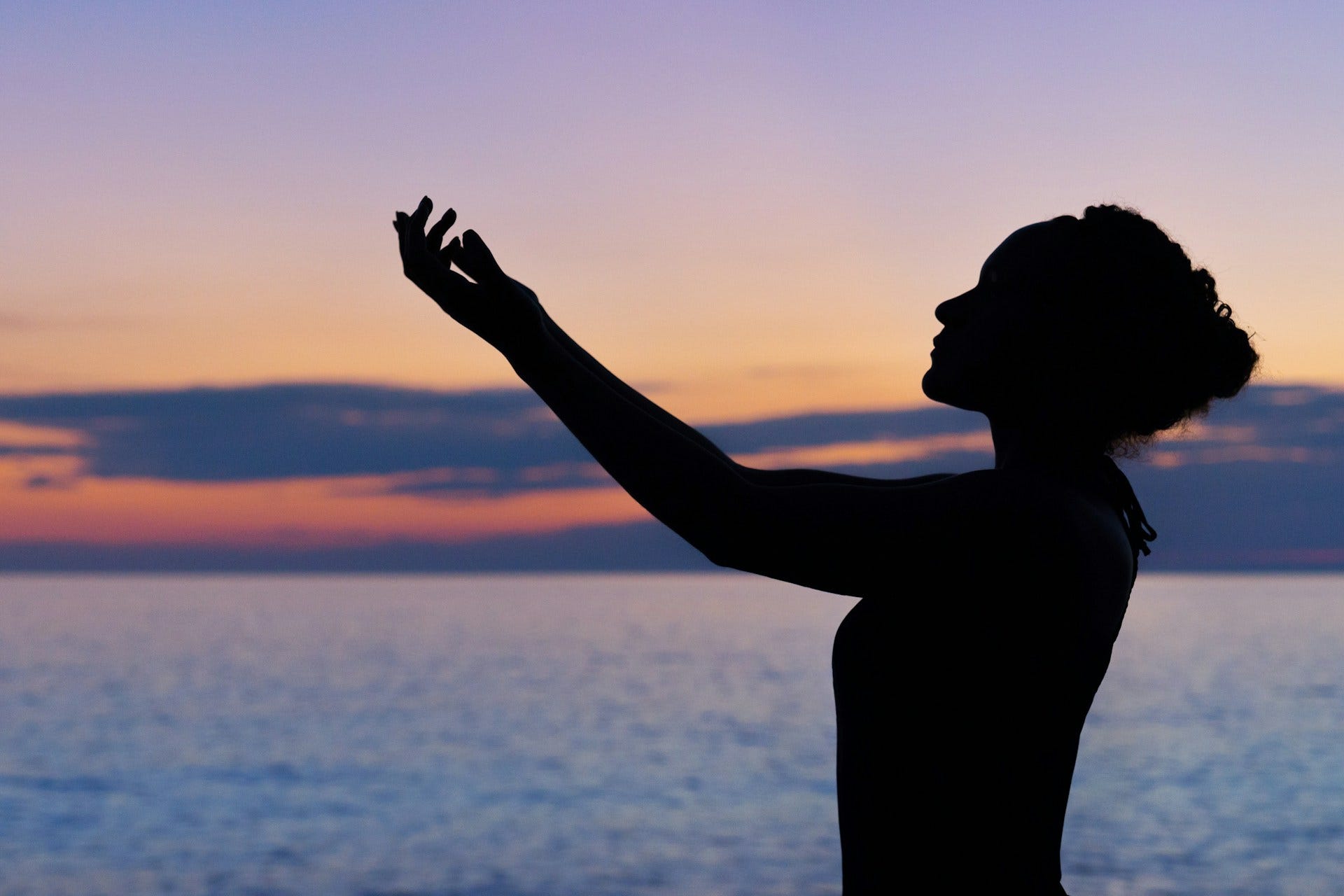
As you read this, you might notice your breathing. You may find it helpful to slow it slightly. Allow the inhale to deepen. Let the exhale lengthen. Even subtle changes in breath can draw attention back into the body and into the present moment.
Clinical research shows that present-moment awareness reduces rumination, the repetitive negative thinking pattern strongly associated with both depression and anxiety. When people learn to observe thoughts as passing mental events rather than absolute truths, emotional intensity softens. The mind stops clinging to every worry as if it were fact.
Neuroscience helps explain why. When attention is placed on present-moment sensations, especially breathing, the brain reduces activity in regions associated with fear, self-criticism and future projection. At the same time, areas linked to emotional regulation and clarity become more active. In practical terms, presence helps the brain shift from survival mode into stability.
Breathing plays a central role in this process. Conscious, intentional breathing slows the nervous system and signals safety to the body. Slowing the inhale, lengthening the exhale and bringing awareness to the rhythm of breath can steady the heart rate and soften stress responses.
Presence does not remove pain or difficulty. Instead, it changes our relationship to it. By staying with what is actually happening, rather than resisting it or mentally escaping, we reduce the additional suffering created by fear, avoidance and constant mental replay.
Long-term studies suggest that people who regularly practice present-moment awareness experience greater emotional resilience, improved mood and increased life satisfaction. Not because their lives are easier, but because they are less consumed by what is missing or imagined.
In that sense, presence is not passive. It is an active form of care.
Of all the exchanges encouraged during seasons of celebration, of gifts wrapped and given, it is worth considering that increasing presence with ourselves and with others may be the most meaningful gift of all. To listen without rushing. To breathe without distraction. To be where we are without judgment.
Sometimes the most generous thing we can offer, both to ourselves and others, is our presence.
Not perfect.
Not performed.
Just present.
By Kaba Abdul Fattaah