

Flying to America May Soon Require More Than a Passport

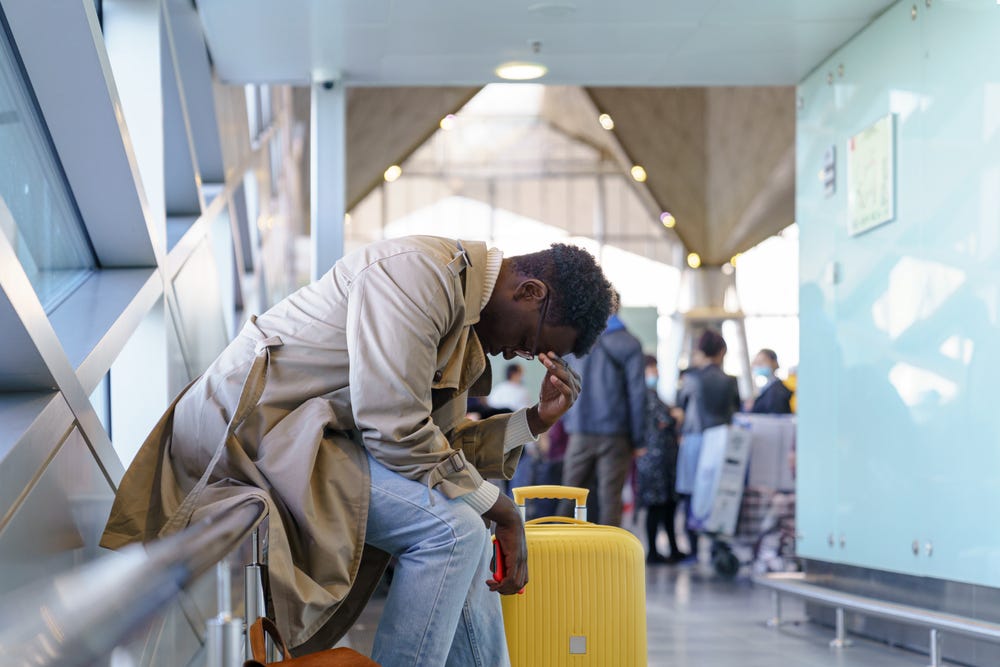
Travelers arriving in the United States may soon encounter a border process shaped less by paperwork and more by phones and digital histories.
A new proposal from U.S. Customs and Border Protection outlines a significant expansion of biometric screening and data collection for foreign visitors.
The proposal, published in the Federal Register, focuses on changes to the Arrival and Departure Record, known as Form I-94, and the Electronic System for Travel Authorization, or ESTA, which is required for travelers from Visa Waiver Program countries.
“This is simply the first step in starting a discussion to have new policy options to keep the American people safe,” CBP said in a statement, noting that the proposal aligns with a January 2025 executive order calling for enhanced vetting of visitors before they arrive in the United States.
One of the most notable changes would push ESTA entirely onto mobile devices. CBP wants to eliminate the web-based application and require all applicants to submit a live selfie, even when applying through travel agencies. The agency says the move would reduce fraud and address widespread abuse by third-party websites that charge unnecessary fees and submit poor-quality images. The proposal also introduces a voluntary digital exit feature. Foreign nationals could confirm their departure from the United States by submitting passport information, facial imagery and location data through a CBP app. Officials say this would help close long-standing gaps in tracking visitors’ departures from the country.
Beyond these technical changes, CBP is seeking authority to collect a broader range of personal information from ESTA applicants. This includes social media accounts used over the past five years, phone numbers and email addresses dating back a decade, IP address history and, when feasible, additional biometric identifiers. The agency says these data points would help verify identity and detect fraud or potential security threats. U.S. law allows border agents to search electronic devices without a warrant, a practice that has led to several high-profile detentions and deportations.
Trump has repeatedly used country-specific travel bans as a signature immigration policy, beginning in 2017 with an executive order blocking entry from Iran, Iraq, Libya, Somalia, Sudan, Syria, and Yemen. At the time, Trump defended the move bluntly, saying, “We don’t want them here,” and arguing the restrictions were necessary to prevent terrorism. The policy followed his 2015 campaign call for what he described as a “total and complete shutdown of Muslims entering the United States,” although later versions of the ban were narrowed and upheld by the Supreme Court.
Earlier this month, he took his sentiments a step further.
“I’ve also announced a permanent pause on Third World migration, including from hellholes like Afghanistan, Haiti, Somalia and many other countries,” he said during a rally in Pennsylvania.
“We always take people from Somalia, places that are a disaster, right?” he continued. “Filthy, dirty, disgusting, ridden with crime. The only thing they’re good at is going after ships.”
“Any traveler entering the U.S. is subject to CBP inspection,” Assistant Commissioner Hilton Beckham said earlier this year, describing device searches as rare but regulated. He said such searches have been used to uncover terrorism, smuggling and visa fraud.
Legal experts warn that increased social media vetting could be used to justify delays or denials, particularly when an officer believes a traveler’s online activity does not align with their stated purpose, and say that any policy change could bring about sweeping backlash for the Trump administration.
The US Travel Association also pushed back against the proposed policy.
“If we get this policy wrong, millions of travellers could take their business and the billions of dollars they spend elsewhere, only making America weaker,” the association said via Reuters. “One thing that isn’t in question: this policy could have a chilling effect on travel to the United States.”