

Did You Know Kenya Gained Its Independence on This Day?

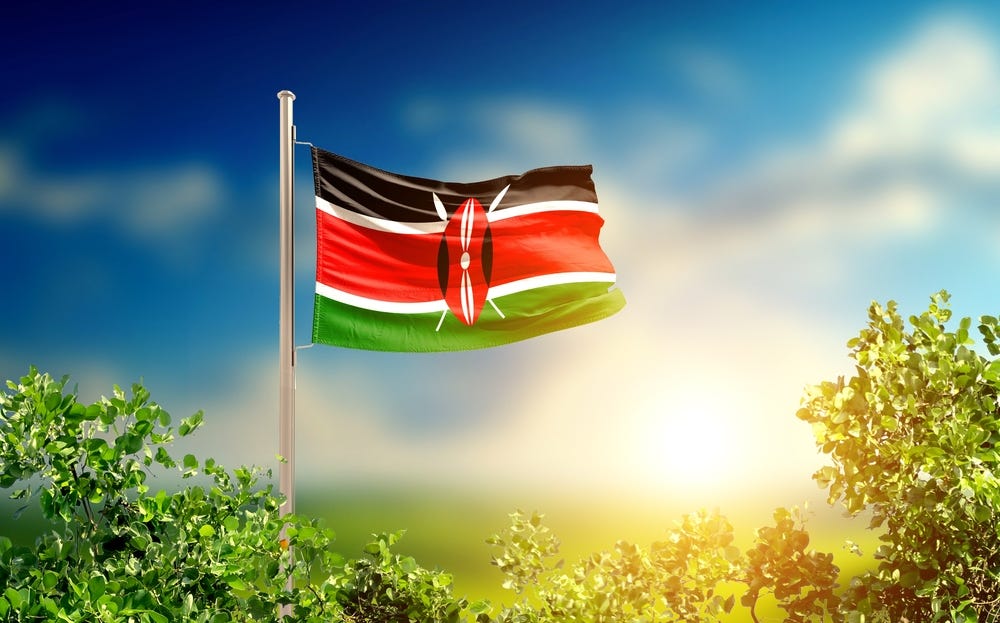
On Dec. 12, 1963, Kenya gained independence from the United Kingdom, ending nearly seven decades of British rule that began with the East Africa Protectorate in 1895 and continued as the Kenya Colony from 1920.
Kenya gained independence as a Commonwealth realm with Queen Elizabeth II as head of state and nationalist leader Jomo Kenyatta as prime minister. One year later, on Dec. 12, 1964, Kenya became a republic with Kenyatta as head of state.
The territory that is now Kenya has a long record of human habitation dating to the Lower Paleolithic. Fossils and stone tools found in Kenya have been central to research on early human ancestors and early human behavior, including discoveries in the Rift Valley and around Lake Turkana.
The Bantu expansion from a West African center of dispersal reached the area by the 1st millennium A.D. Kenya developed at the crossroads of Bantu, Nilo-Saharan, and Afro-Asiatic language communities, contributing to its multiethnic character.
Along the coast, links to the broader Indian Ocean world helped create urban trading societies and later the Swahili cultural tradition. European and Arab presence in Mombasa dates back to the Early Modern period, while European exploration of the interior accelerated in the 19th century. Under British administration, colonial policies reserved fertile highlands for European settlers and expanded cash crop agriculture, fueling grievances over land, labor and political exclusion. The construction of the railway from Mombasa inland in the late 19th and early 20th centuries helped transform settlement patterns and the colonial economy.
In the 1950s, the Mau Mau uprising, centered largely among the Kikuyu, became a turning point in the push for self-rule. The British declared a state of emergency in 1952 and detained many nationalist leaders. Kenyatta, later central to independence, was convicted and imprisoned and was released in 1961. Constitutional negotiations and party politics intensified in the early 1960s as Kenyans prepared for majority rule.
After independence, Kenyatta led the Kenya African National Union, and the country evolved into a de facto one-party state.
Kenyatta died in 1978 and was succeeded by Daniel arap Moi, who ruled until 2002. Under internal and international pressure, Moi restored multiparty politics in 1991. Mwai Kibaki won the 2002 election, but disputed results in 2007 helped trigger violence and a political crisis that lasted into 2008. Uhuru Kenyatta won the 2013 and 2017 elections, with the Supreme Court annulling the initial 2017 result and ordering a repeat vote.
William Ruto was sworn in as president in 2022 after a closely contested election.