

America’s Highest Court Just Made It Easier to Gerrymander Minority Voters Out of Power

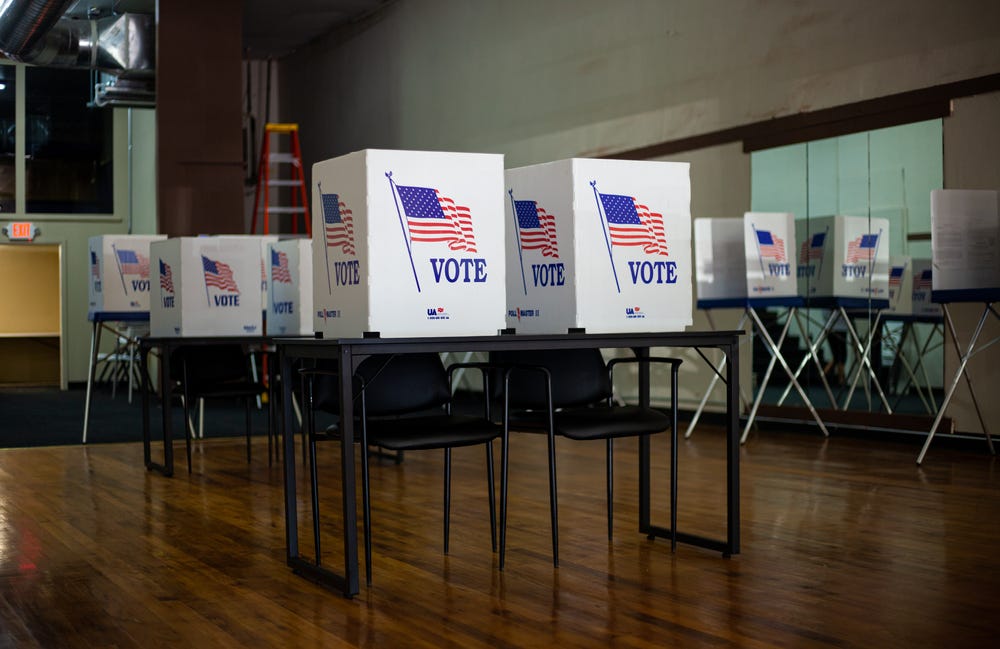
The Supreme Court is set to approve the implementation of a gerrymandered Texas congressional map that could help the GOP keep control of the House Senate.
Announced on Dec. 4 in an unsigned order, the Supreme Court’s decision will overrule a lower court decision that ruled that the map discriminates against Black and Hispanic Texans by diminishing their voting power. Per the Supreme Court, the ruling and the subsequent pause were “improper” due to their issuance close to the midterm elections.
The ruling was called at 6-3 with Justice Elena Kagan, Justice Sonia Sotomayor and Justice Ketanji Brown Jackson all placing their dissents. According to their dissents, Texas created a map that “divided its citizens along racial lines” to create a Republican-majority House map in violation of both the Fourteenth and Fifteenth Amendments. While the 14th Amendment protects citizens from the government infringing on their rights, the 15th Amendment protects citizens from discrimination on account of race, color, or “previous condition of servitude.”
In a statement, Texas State House Democratic Leader Rep. Gene Wu reprimanded the Supreme Court for their ruling.
“The Supreme Court failed Texas voters today, and they failed American democracy,” said Wu. “This is what the end of the Voting Rights Act looks like: courts that won’t protect minority communities even when the evidence is staring them in the face.”
The latest Supreme Court announcement comes amid the Indiana state House announcing the passing of a new congressional map dedicated to turning all nine of the U.S. House districts into Republican controlled positions. The bill was passed with a 75-41 vote. The Senate, which is controlled by Republicans, will vote on its official implementation today.
Amidst pressure from the Trump administration, redistricting plans are being considered in several states. Republican gains can potentially be made in Ohio, Missouri, North Carolina, Florida and Kansas. While Texas and Florida can potentially add another five GOP seats, the other states are expected to add anywhere from one to three seats.
Democratic efforts are also underway to prevent GOP control of the House and Senate. In California, voters recently voted in support of redrawing the state’s map to challenge the changes to the Texas map. Up to five Democrat-held seats could potentially be added to the state’s existing 43 Democrat-led districts.
In Virginia, the legislature is expected to move forward in redrawing its congressional map through voting to pass an amendment in January. If that succeeds and voters approve a new map, two to four Republican districts could potentially turn blue. Meanwhile, in Utah and Maryland, the possibility for one more Democratic seat remains open.
Although it’s unlikely to happen before 2028, a recently filed lawsuit can also potentially add more Democratic-held seats in New York by arguing that a Staten Island Republican-held district is diluting the voting power of Black and Latino New Yorkers.